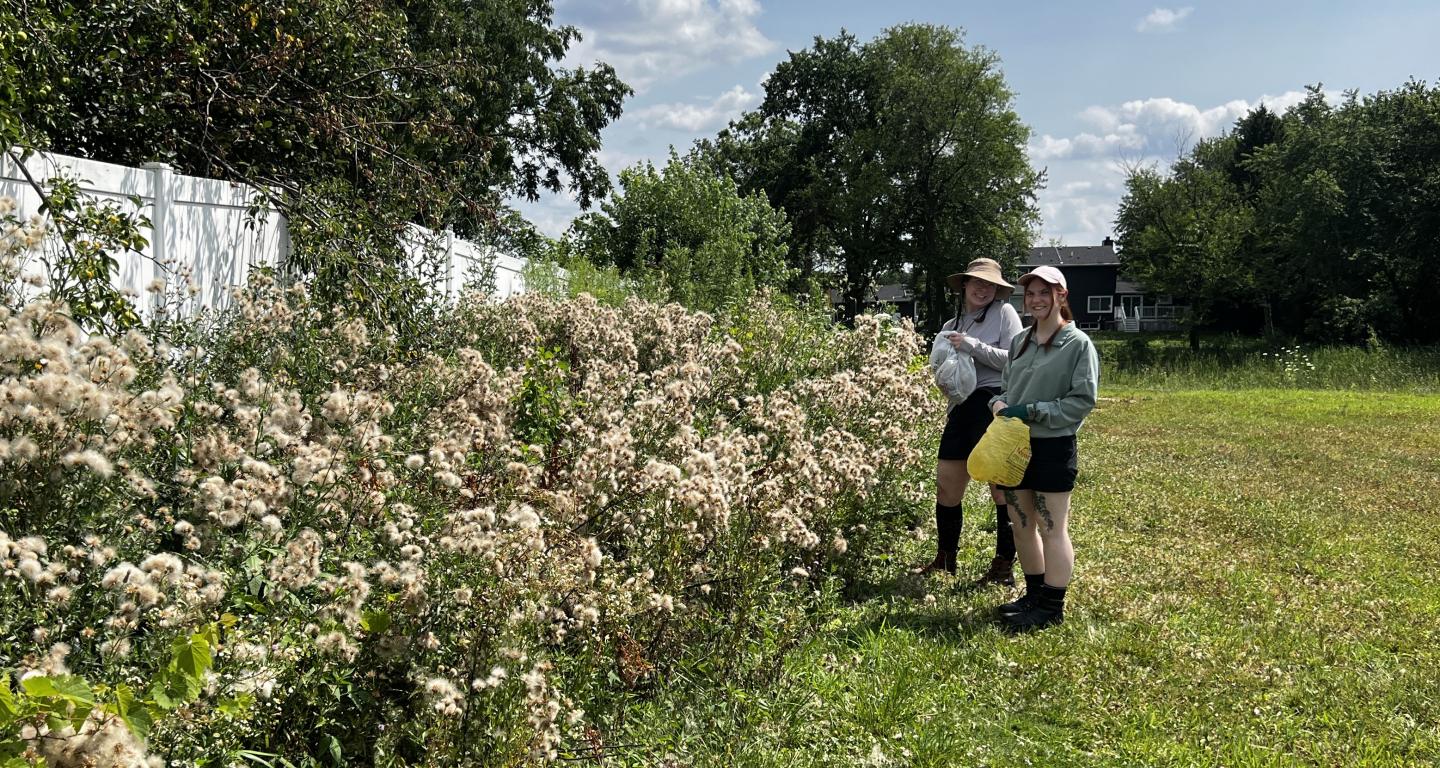
From spring to fall, while walking with her family through their neighborhood, Dr. Joanna Weremijewicz, associate professor of biology, can’t help noticing Canada thistle growing across open expanses, lawns and gardens.
Reaching as tall as five feet, a lanky stem will display bright purple blooms by mid-summer. But Weremijewicz knows: the looks are deceiving.
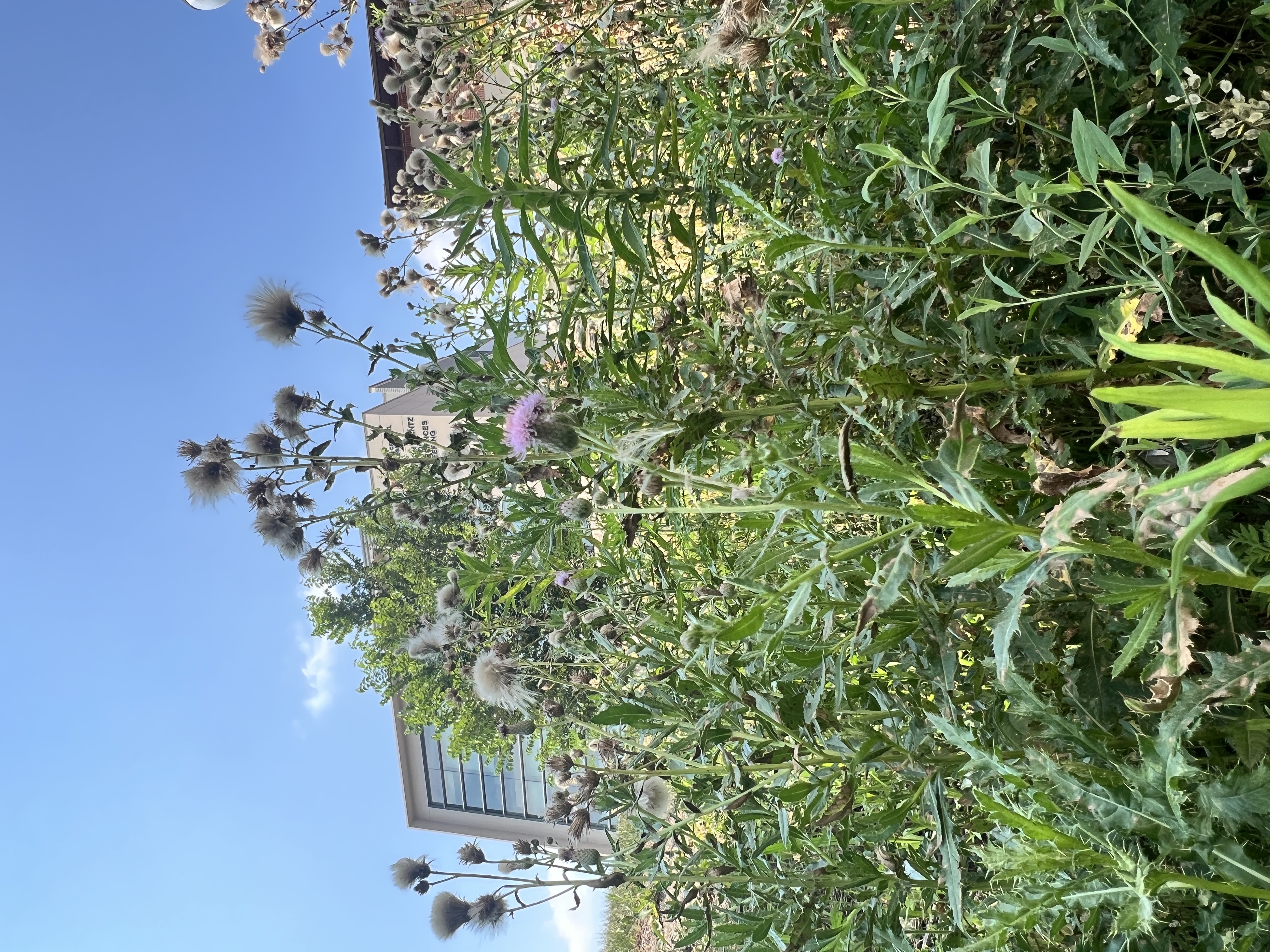 Canada thistle is categorized as a noxious weed in most U.S. states. With a wide and deep root system, it’s more than just a nuisance. It's an invader of human-managed areas, a super-spreader and difficult to eradicate. Long a threat to agriculture, the plant is especially destructive to farmland and pastures.
“Canada thistle has been labeled ‘the worst weed in the U.S.,’” said Weremijewicz, who has been on faculty at North Central since 2017. “It causes significant losses each year as it robs nutrients from crop plants.”
Weremijewicz has spent the past four years learning Canada thistle’s ways. Through a $750,000 National Science Foundation (NSF) grant awarded in the spring of 2022, she received funding to conduct three large-scale research experiments over five years.
Primarily, she has been studying how below-ground networks of fungi that interconnect plant roots affect the invasion of Canada thistle in native tall grass prairies. Greater understanding of how the weed establishes itself, adapts and persists could lead to improved land management efforts to mitigate Canada thistle.
The NSF grant has enabled Weremijewicz to foster growth not only of plants, but of North Central undergraduate students who are interested in careers in the biological and environmental sciences.
Each summer, she has been able to provide North Central students with stipends of $6,000, plus room and board, so they can stay on campus and conduct federally funded research alongside her. To date, the NSF grant has made it possible for Weremijewicz to hire more than 25 students.
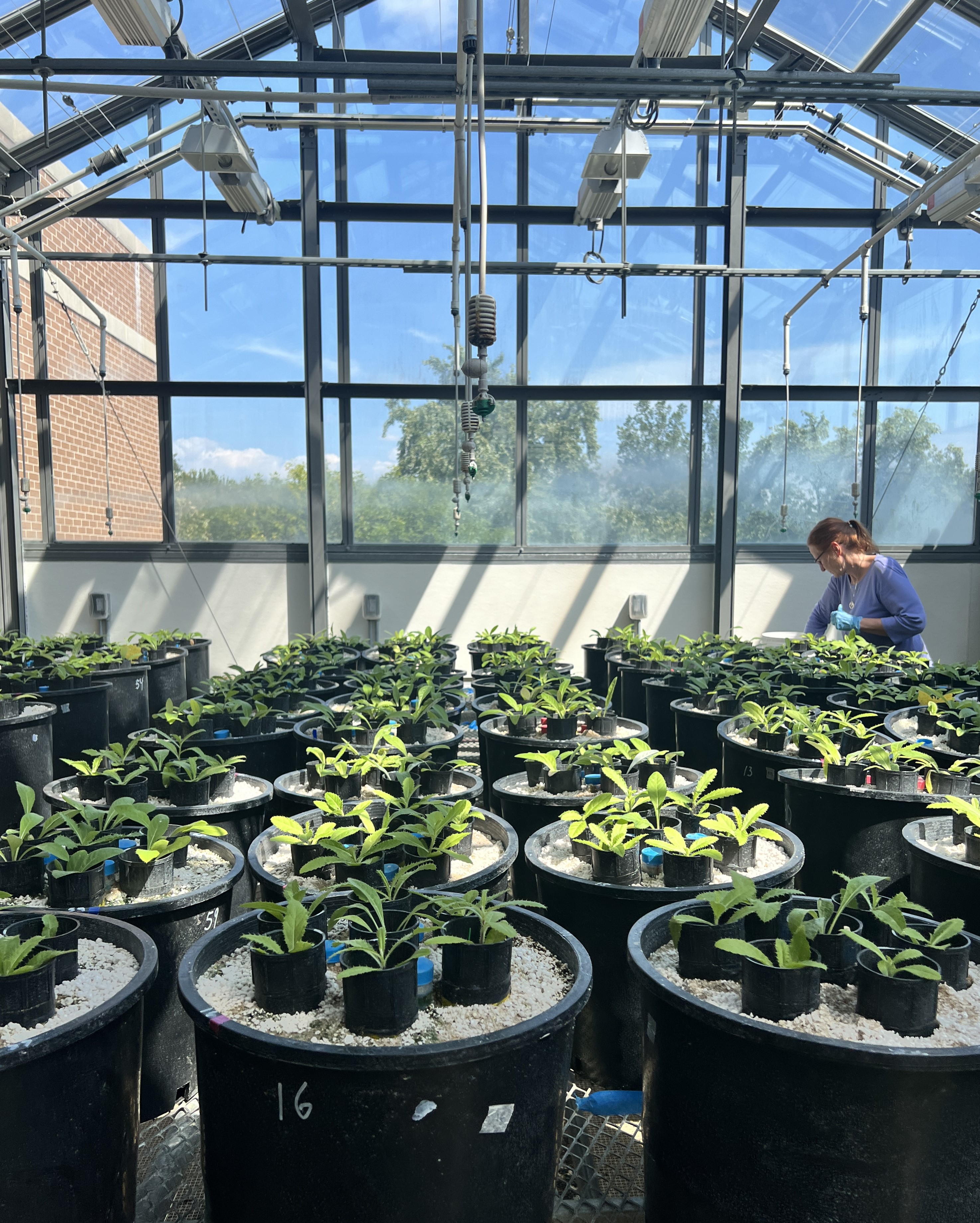 On campus, the team conducts experiments and collects data in a lab on the second floor of the Wentz Science Center, and in the greenhouse on the third floor. Their work also extends to plots within a tallgrass prairie study area at the Morton Arboretum in nearby Lisle, Ill.
“I follow a mentor-mentee model in the lab,” said Weremijewicz. “Students take the lead in forming their own hypothesis, doing their own statistics, and developing a lot of scientific communication – like weekly updates, poster presentations, and contributions to papers.”
She added, “This level of training is unusual for undergraduate students. They get to apply their knowledge about soil chemistry, conservation, plant physiology, and more. At North Central, we’re trying to build holistic scientists so when they graduate, they have already gained years of knowledge in preparation for careers in industry, government, academia, and other settings.”
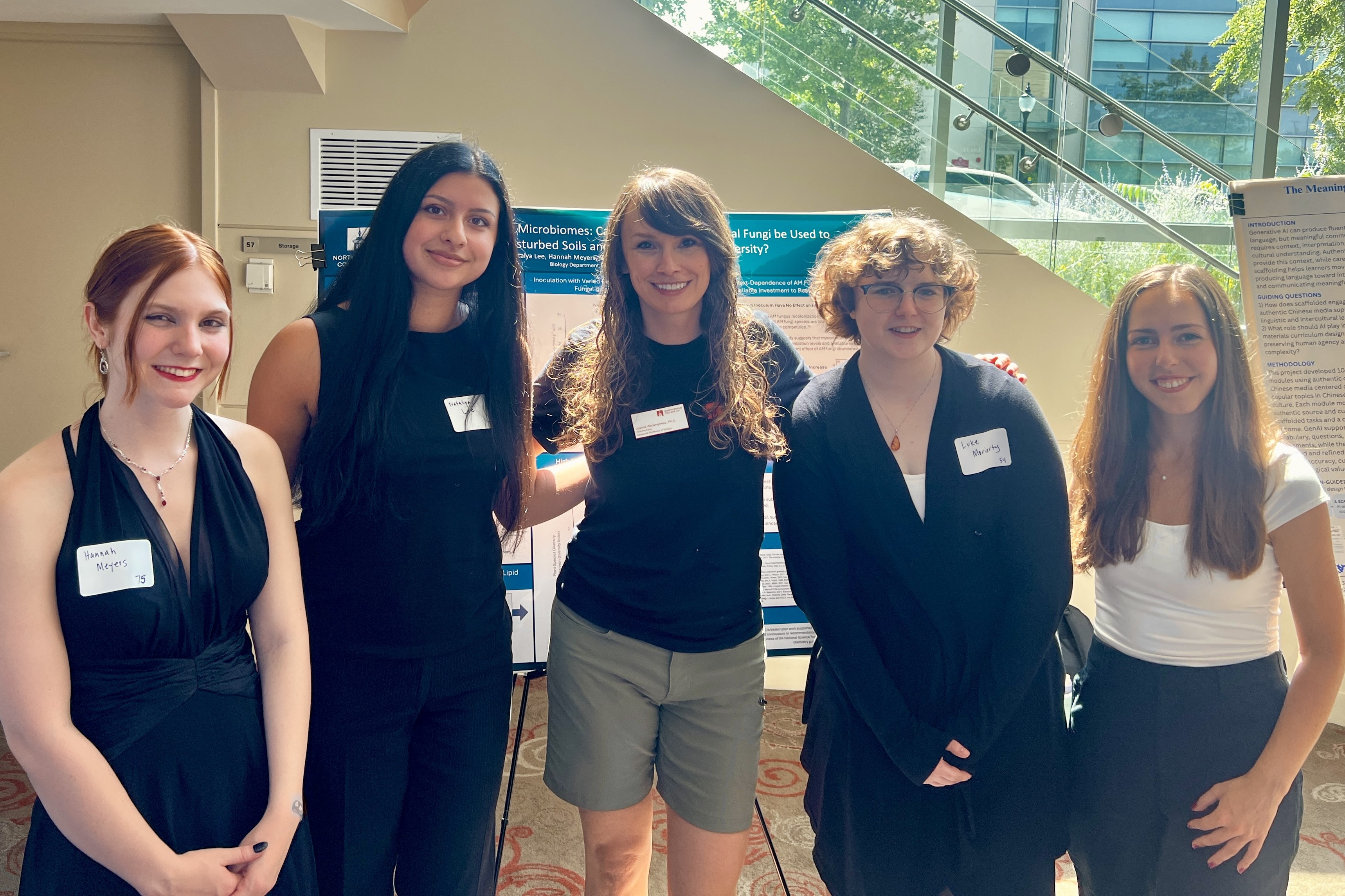
Weremijewicz knows how such opportunities can open doors — and inspire a lifelong sense of purpose.
Born in Poland, Weremijewicz attended school in the U.S. and was a first-generation college student. On a mission trip to Appalachia she learned about the restoration of post-mined soils.
“That’s when I knew that I wanted to do research that would help people,” she said.
Now, she’s doing just that. “Thanks to this grant, I feel like I am finally understanding Canada thistle, which felt like an unbeatable enemy. Now that we've uncovered some of its vulnerabilities, I hope this work gives gardeners, farmers and land managers some tools to reclaim their land from this relentless pest."
Learn more about this research.